
AlpacaPays: A Thrilling Journey into the Realm of Adventure and Rewards
Explore the captivating world of AlpacaPays, a dynamic game that combines strategy, adventure, and the allure of a 55G BONUS.


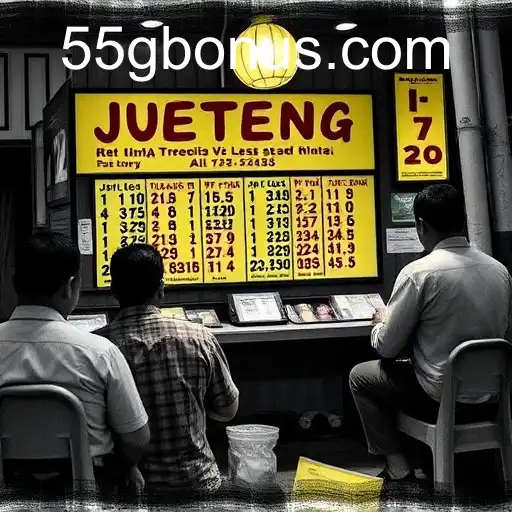
Jueteng is an illegal numbers game popular in the Philippines. This illicit activity has become ingrained in the cultural and socio-economic fabric of various communities across the nation. Though periodically repressed by law enforcement, its prevalence persists due to its deep roots in society and the economic benefits it provides to some involved in it.
Jueteng is often compared to a lottery, but it operates outside the bounds of legality and regulation. Participants choose a set of numbers—often two out of 37—and place a bet on them. Bets are small, but the allure of Jueteng comes from the potential for a high return with a low investment. Winners are drawn multiple times a day, making for a fast-paced and engaging experience for players. Jueteng’s operation is straightforward yet cunningly effective, utilizing a network of bet collectors who gather participants’ wagers and pass them through layers of operators to eventual financiers.
The persistence of Jueteng is largely attributed to economic factors. It provides employment opportunities for bet collectors, often known as "kubradors," in economically depressed areas where jobs are scarce. For many, it serves as a daily means of income or even a lucrative career. The game draws participants from all walks of life as it promises a slim, but enticing, chance to improve one’s financial status overnight through a small wager.
Jueteng’s simplicity and accessibility make it particularly appealing in the Philippines, where poverty and inequality persist. In areas devoid of recreational activities, Jueteng fills a social void, serving as both a pastime and a community event.
The impact of Jueteng is not only felt on an individual or community level but also has significant implications in the political arena. Throughout history, the relationship between the operators of Jueteng and local politicians has been a subject of concern. Allegations of officials receiving monetary support from Jueteng lords to fund their political campaigns are not uncommon. Such ties complicate legal enforcement efforts and sustain the game’s longevity.
Occasional political crackdowns on Jueteng often lead to temporary disruptions, yet these actions rarely dismantle the game entirely due to its entrenched networks and systemic bribery, which stifles genuine reform and accountability.
Within the realm of Jueteng, "55G BONUS" signifies a special incentive or reward mechanism. This feature is employed by game financiers to attract more participants and increase their betting pool. Much like promotional offers in legal gambling systems, a 55G BONUS provides additional motivation for players to place bets, thereby potentially increasing their winnings.
In a highly competitive segment where betting figures dictate the success of operators, such bonuses act as critical tools to capture the interest of both new and loyal gamers. They heighten anticipation and amplify the allure of risk, magnifying the core excitement that Jueteng thrives on.
Several administrations have attempted to stamp out Jueteng through rigorous legal action and alternative legalized gambling activities, such as the establishment of the Philippine Charity Sweepstakes Office (PCSO) lotteries and Small Town Lottery (STL) as regulated substitutes. These measures aim to siphon off participants and provide a transparent, ethical alternative.
Despite such efforts, Jueteng frequently resurfaces, demonstrating its resilience and adaptability. This ongoing challenge suggests a more comprehensive approach is needed, involving community engagement, economic development, and genuine political reform to fully address underlying issues.
Jueteng is more than just a game; it is a cultural phenomenon, woven into the narrative of Filipino life. Its story reflects broader societal themes of opportunity, aspiration, and survival amid adversity. As authorities continue to grapple with its implications, understanding its context and impact remains essential for real progress.
If you're looking for a reliable, fully licensed, and secure sportsbook with a wide selection of games, 55G BONUS is the perfect choice. We're committed to providing you with the best online betting experience, with premium quality, excellent service, and continuous innovation. Sign up now and receive ₱777 for free!
Join now
Get the latest information, experience and betting strategies from the expert team at 55G BONUS.
Explore the captivating world of AlpacaPays, a dynamic game that combines strategy, adventure, and the allure of a 55G BONUS.

Explore the captivating world of DragonLegend, an exhilarating game packed with adventures and bonuses.

Discover the exciting world of FoodFeast, the game that combines culinary creativity with strategic gameplay, now offering an enticing 55G BONUS for players. Explore the game description, introduction, and detailed rules in this comprehensive guide.

Dive into the captivating universe of 'StarlightPrincess1000,' a dazzling game offering an exciting mix of fantasy and rewards, featuring the thrilling 55G BONUS.

Explore the captivating world of PharaohTreasure, a game that brings ancient Egypt to life. Uncover the secrets of the pharaohs while experiencing thrilling gameplay enhanced by the 55G BONUS.

Dive into the thrilling jungle journey with WildTarzan. Learn about the game's unique features, captivating introduction, and exclusive 55G Bonus offer.
 Join now